Fostering Remote Connections

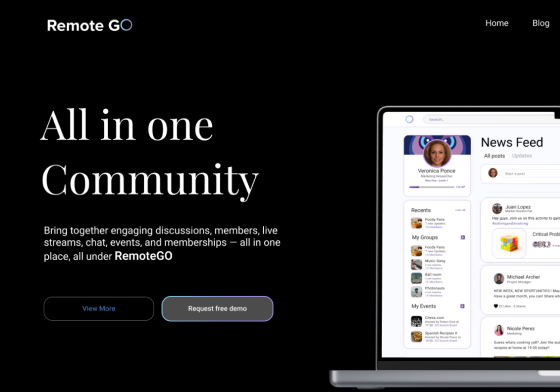
How might we create meaningful peer-to-peer engagement to reduce isolation and enhance collaboration for remote professionals?
2021 - 2022
Duration
35+
Professionals Tested
9
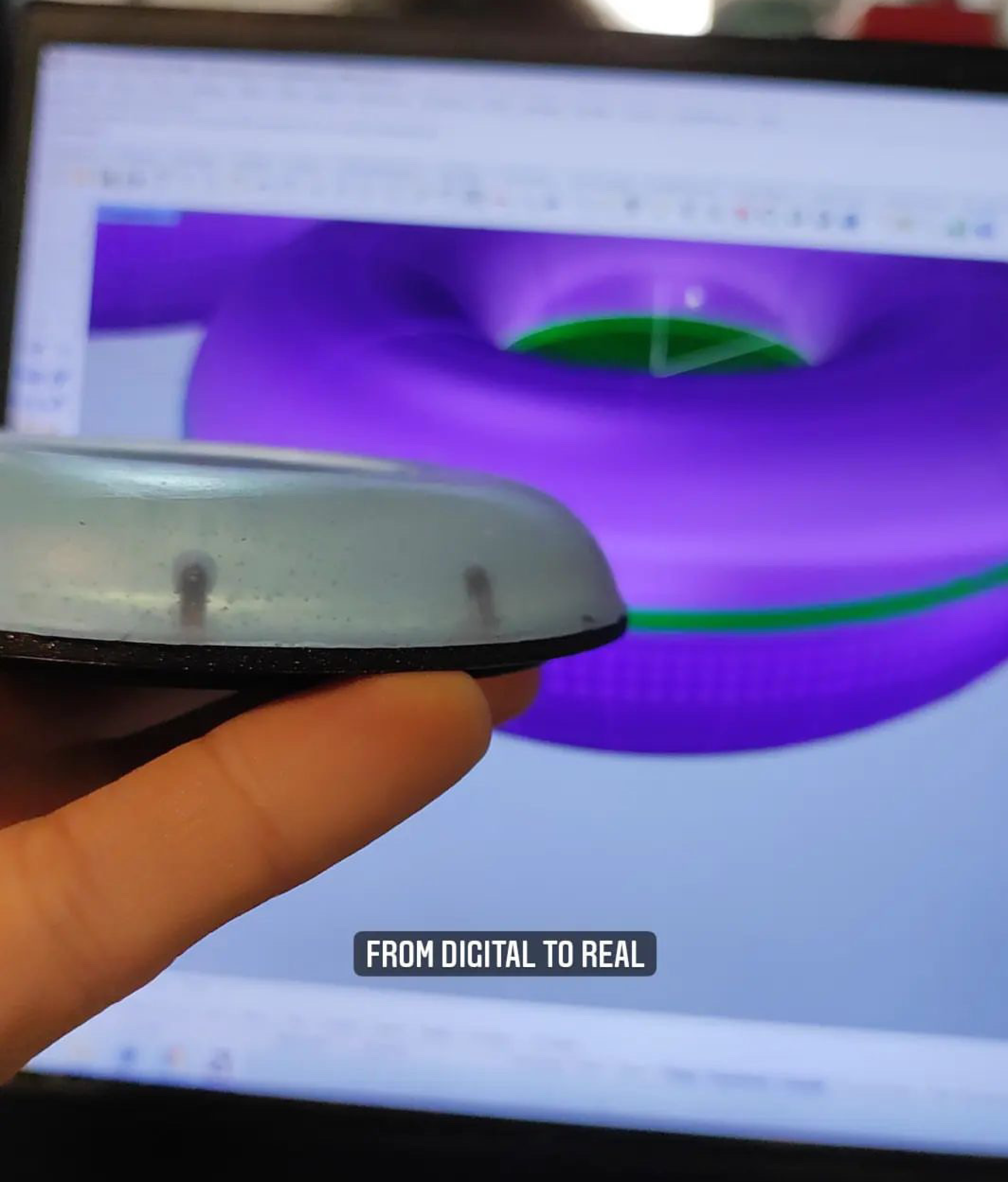
Prototypes Developed
60%
Adoption During Pilot
Discover the video presentation of the project below:
Watch Video
The Challenge
Remote workers in Madrid faced increasing isolation and disengagement, particularly during employee onboarding. Digital meetings often replaced physical offices, but this created difficulties in forming peer relationships, leading 30% of remote employees to consider leaving their jobs. The lack of peer-to-peer engagement and miscommunication posed significant hurdles for HR teams in fostering team spirit.
Business Objective

The goal was to address the growing disconnection among remote professionals by designing solutions that promote engagement and improve remote onboarding experiences. This initiative aimed to help HR departments ensure that remote employees feel as integrated and connected as their in-office counterparts, ultimately improving employee retention and satisfaction.
Our Approach
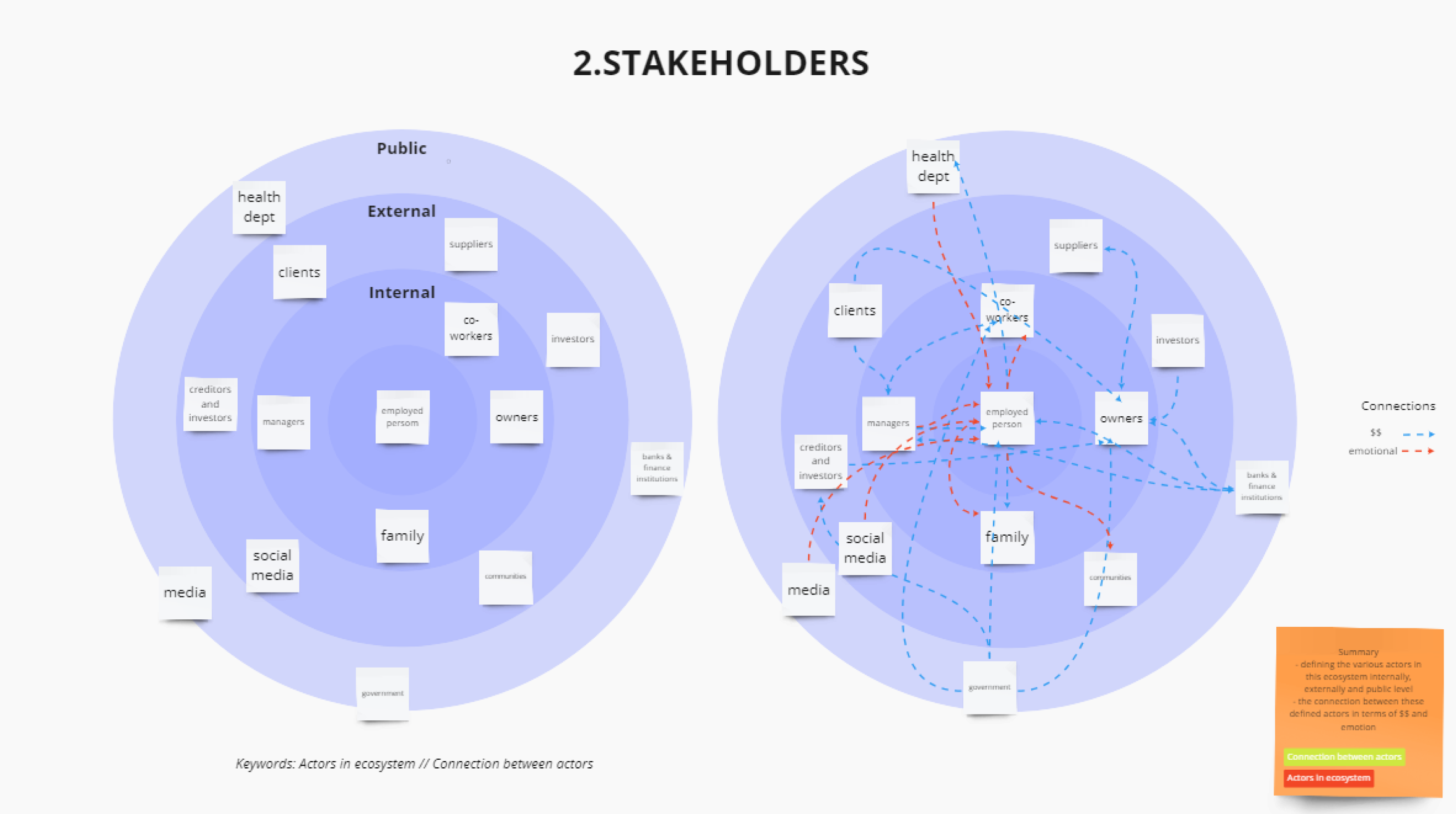
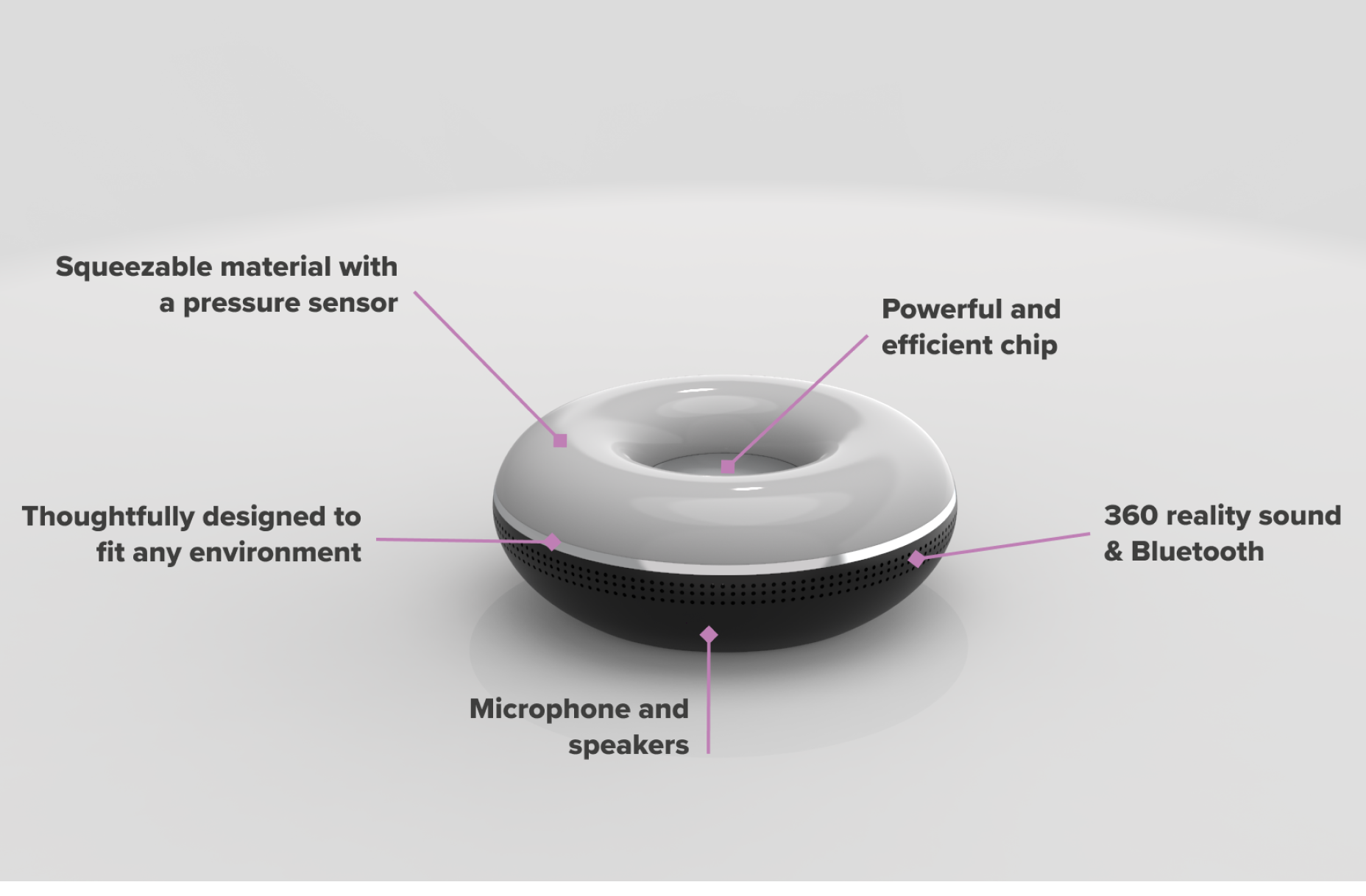
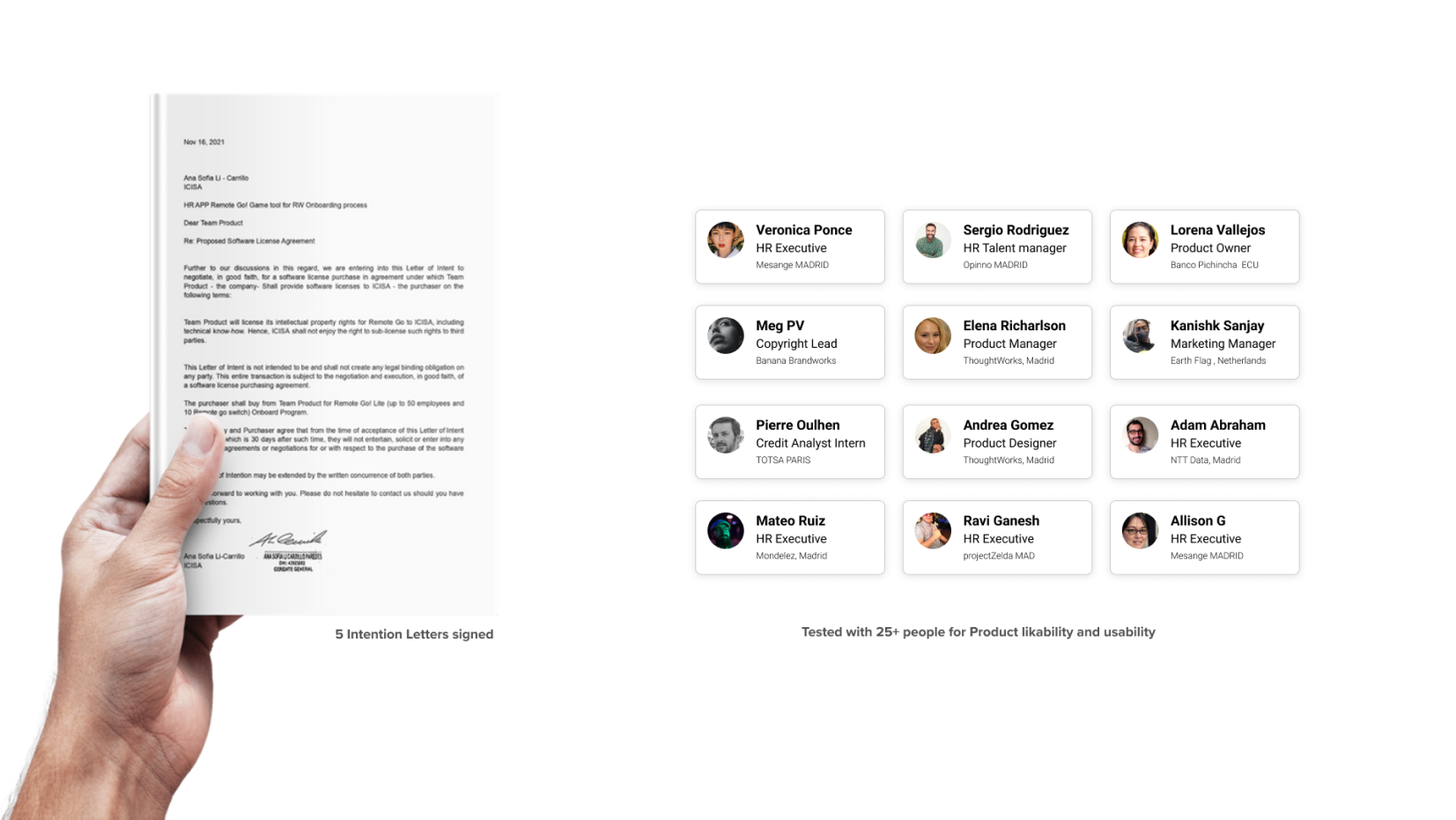
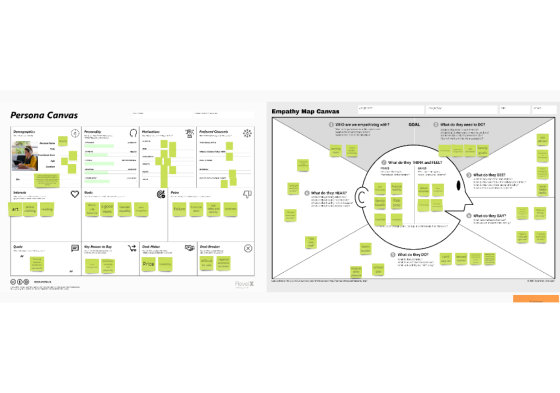
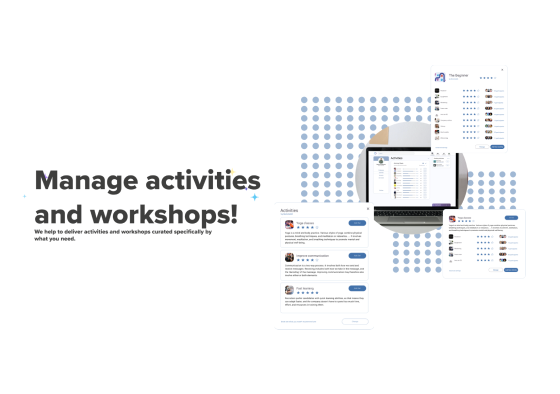
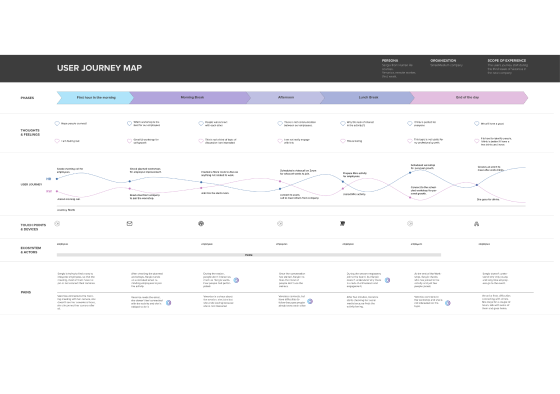
The project began with user interviews, stakeholder mapping, and proto-persona development to understand the challenges faced by remote workers and HR professionals. A series of nine prototypes, blending physical and digital elements, were developed and validated through testing with over 35 remote workers and HR executives. Leveraging empathy and active listening was central to creating solutions that truly resonated with user needs. The team adopted a human-centered approach focused on enhancing team connection and collaboration. Continuous feedback loops and iterative testing ensured the product evolved to meet user requirements effectively.
Project Impact

The project culminated in a pilot implementation within a startup environment. While the startup ultimately did not succeed, the experience provided invaluable knowledge and insights into the challenges and opportunities of enhancing remote work dynamics. This journey offered a deeper understanding of user needs, prototyping techniques, and the practical application of human-centered design principles, equipping the team with skills and lessons for future initiatives.